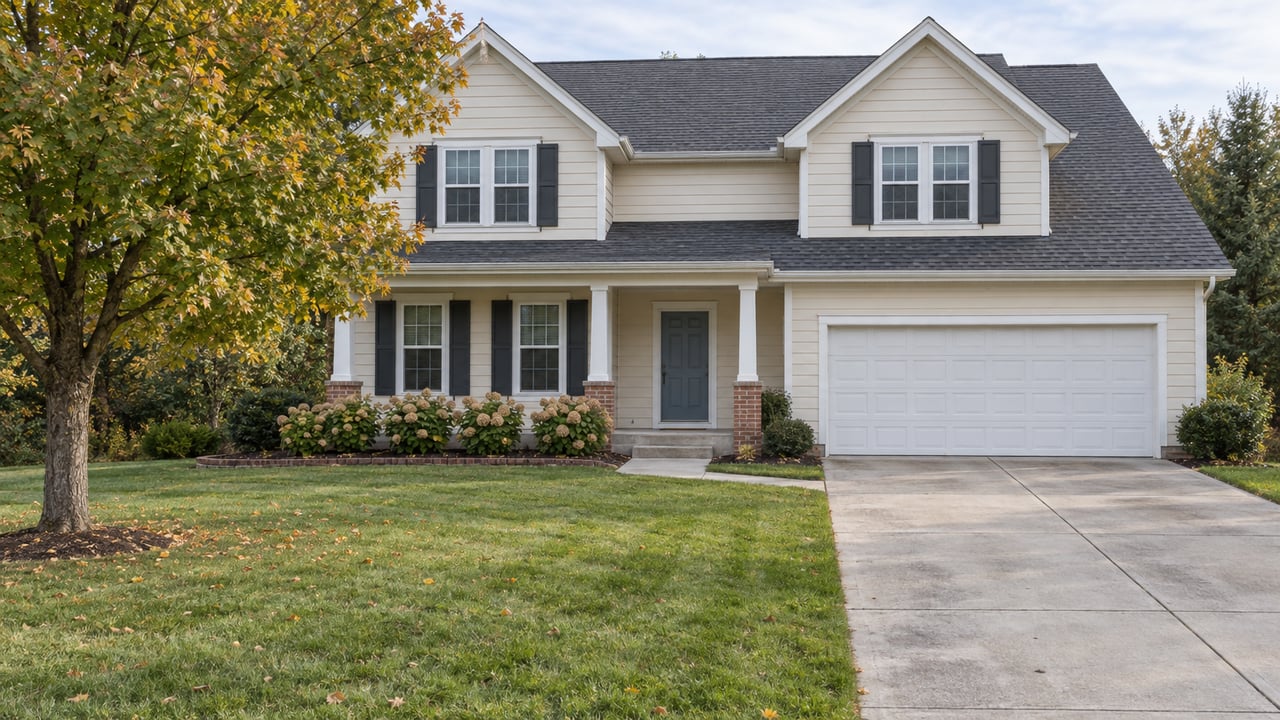
Buying a home in Kenton County comes with a lot of moving parts. Property taxes are one of the most important costs to understand, and they can be confusing if you are new to Kentucky. You want a clear way to estimate your bill, know when it is due, and spot any savings you might qualify for.
In this guide, you will learn how Kenton County assessments work, how tax rates are set, how to estimate a bill for a specific home, and what to expect at closing. You will also see common timelines and exemptions that can lower your taxes. Let’s dive in.
How Kenton County property taxes work
Who values your home
Your home’s value for tax purposes is set by the Kenton County Property Valuation Administrator, or PVA. The PVA estimates fair cash value, which is the price a willing buyer would pay a willing seller. Kentucky law requires the PVA to assess property as of January 1 each year and to physically inspect each parcel at least once every four years. You can learn more about the process in the Kenton County PVA’s FAQ and in the state’s Property Tax Calendar.
When assessments and appeals happen
Each spring there is a public inspection period that begins the first Monday in May and runs for 13 days. If you believe your assessed value is incorrect, you must first schedule a conference with the PVA during this window. After that conference, you may file a formal appeal with the local board of assessment appeals through the county clerk. The clerk’s office posts local instructions and deadlines on its appeal information page. Always keep your documentation and bring comparable sales or an appraisal to support your case.
What builds your tax rate
Your bill combines several parts. There is a state real property tax, a Kenton County general fund rate, and rates from your school district, city or municipality, and any special districts such as fire, library, road, or park. Each taxing district sets its own rate.
For a concrete example, the Kentucky Department of Revenue set the state real property rate for tax year 2025 at 10.6 cents per $100 of assessed value. See the state’s announcement here: 2025 state real property tax rate. Kenton County adopted a county general real property rate of 11.5 cents per $100 for tax year 2025. You can review the county’s action in the public record here: Kenton County 2025 tax rates.
Many local pages in Northern Kentucky use this wording for clarity: “tax year 2025, valued January 1, 2025, for fiscal year July 1, 2025 to June 30, 2026.” Labeling both the calendar and fiscal year helps avoid confusion.
Your property’s final rate also depends on which school district and city you are in, plus any special districts that apply. These local components vary by address, so always check the parcel-specific breakdown before you estimate a bill.
Estimate your Kenton County tax bill
Use these steps to build a quick estimate for any home you are considering.
Confirm the assessed value. Ask the seller for the latest assessment notice or use the county’s online records. The sheriff’s office explains how to look up the current-year bill and breakdown on the KCOR portal here: Check your tax bill and districts.
Identify the taxing districts. Look for the school district, city or municipality, and any special districts like fire, library, road, or park. The KCOR bill view will show each component.
Apply the formula. You can calculate the total using either method:
- Per $100 method: Annual tax = (Assessed value ÷ 100) × (Total rate in dollars per $100)
- Decimal-percent method: Annual tax = Assessed value × (Total rate ÷ 100)
Fort Mitchell example calculation
Let’s walk through an illustration for tax year 2025. This is only an example to show the math. Always confirm the year and your specific districts before you budget.
- Assessed value: $300,000
- State real property rate (2025): $0.106 per $100. Source: state’s 2025 rate announcement.
- Kenton County general (2025): $0.115 per $100. Source: Kenton County 2025 tax rates.
- City of Fort Mitchell example components: $0.108 per $100 (city), park $0.02, road $0.06.
- Beechwood School example: $0.825 per $100.
You can see these city and school examples on the City of Fort Mitchell tax information page.
Add them up: 0.106 + 0.115 + 0.108 + 0.02 + 0.06 + 0.825 = $1.244 per $100 of value, which is about 1.244%.
Estimate the annual bill: (300,000 ÷ 100) × 1.244 = 3,000 × 1.244 = $3,732 per year, or about $311 per month.
Reminder: This is an illustration using Fort Mitchell examples for 2025. Rates differ by city and district, and they are set each year. Always verify the parcel’s current assessment and district list before you rely on any estimate.
Bills, due dates, and proration
Bill timeline and discounts
In Kenton County, current-year real estate tax bills become available after October 1. The sheriff’s office outlines the payment windows: pay Oct 1 to Nov 1 to receive a 2 percent discount, Nov 2 to Dec 31 at the face amount, and Jan 1 and later with penalties and interest. The sheriff stops collecting on April 15 and delinquent bills are then turned over to the County Clerk. You can review the schedule in the sheriff’s guidance here: Kenton County tax bill payment windows.
Who owes the current-year bill
Kentucky follows a simple rule. The owner of record on January 1 is responsible for that tax year’s bill unless the sales contract says otherwise. Most purchase agreements include a proration so that the buyer and seller each pay their share based on the closing date. Title companies or closers typically handle the math at settlement. You can confirm these timing rules in the state’s Property Tax Calendar. Ask your closing agent which year’s amounts they will use and how proration will appear on your settlement statement.
Lender escrow accounts
If you use a mortgage, your lender may collect an escrow deposit for taxes and insurance. Servicers must follow RESPA and CFPB rules on how escrow accounts are disclosed and maintained, and they usually provide an initial escrow statement within 45 days of closing. Ask your lender whether taxes will be escrowed, what the initial deposit and monthly amount will be, and how they will handle changes when new bills are set. You can learn more in the CFPB’s summary of escrow requirements under Regulation Z.
Supplemental or catch-up bills
If your assessment changes after bills are printed, a supplemental bill can be issued. This can happen if an appeal is resolved or if the PVA updates the assessment after the original mailing. Keep an eye on your mail after closing and confirm any changes with the PVA or clerk. The state’s Property Tax Calendar explains these timelines.
Exemptions and savings
Kentucky offers a homestead exemption for qualifying residents who are age 65 or older or totally disabled. For the 2025 and 2026 tax periods, the Department of Revenue set the maximum exemption at $49,100. This amount reduces the taxable portion of your assessed value, which can lower your bill. Applications are made with the local PVA. Learn more in the state’s news release on the 2025–2026 homestead exemption amount and in the Kenton County PVA’s FAQ. Plan to apply by December 31 of the eligible tax year and include proof of age or disability and residency.
Smart buyer checklist
Use this quick checklist to stay ahead of property taxes while you shop and close.
Before you make an offer
- Look up the parcel on KCOR to view the latest assessment and the most recent bill breakdown. Start here: Check your tax bill and districts.
- Ask the seller for a copy of the last tax bill and any exemption status.
During inspections and negotiations
- Confirm how the contract allocates tax responsibility and what date will be used for proration.
- Ask your agent and closing attorney how they will handle tax credits at settlement.
At closing
- Ask your lender if taxes will be escrowed and how much the initial deposit and monthly escrow amount will be.
- Include estimated taxes in your monthly affordability so there are no surprises.
After closing
- Watch for spring assessment notices. If you disagree with your value, schedule a PVA conference during the open inspection period that begins the first Monday in May.
- If needed, file a formal appeal with the county clerk after your PVA conference and before the posted deadline.
Buying in Kenton County should feel exciting, not confusing. If you want help estimating taxes on a specific home or planning for closing costs, we are here to make it simple. Reach out to the K2 Home Team to talk through your numbers and your next move.
FAQs
How are Kenton County property taxes calculated for a home I want to buy?
- The PVA sets an assessed value as of January 1, then your total tax rate is the sum of state, county, school, city, and any special districts. Multiply the assessed value by the total rate using the per $100 formula to estimate your annual bill.
When are Kenton County property tax bills due and are there discounts?
- Bills are available after October 1. Pay Oct 1 to Nov 1 for a 2 percent discount, Nov 2 to Dec 31 at face amount, and after Jan 1 with penalties. Sheriff collections end April 15.
Who pays the current-year property taxes when a Kenton County home is sold?
- The owner on January 1 is legally responsible unless your contract shifts responsibility. Closers usually prorate taxes based on the closing date so buyer and seller each pay their share.
How do I appeal my Kenton County property assessment?
- During the open inspection period that begins the first Monday in May, schedule a conference with the PVA. If not resolved, file a formal appeal with the county clerk’s local board of assessment appeals by the posted deadline.
What is the Kentucky homestead exemption and how do I apply in Kenton County?
- If you are 65 or older or totally disabled, you may qualify for the homestead exemption, which reduces taxable value by up to $49,100 for 2025 and 2026. Apply through the Kenton County PVA by December 31 with proof of eligibility.
Will my lender escrow my Kenton County property taxes and how does that work?
- Many lenders collect an initial escrow deposit at closing and add a monthly amount to your payment to cover taxes and insurance. Your servicer provides an initial escrow statement, then pays the bill when due.