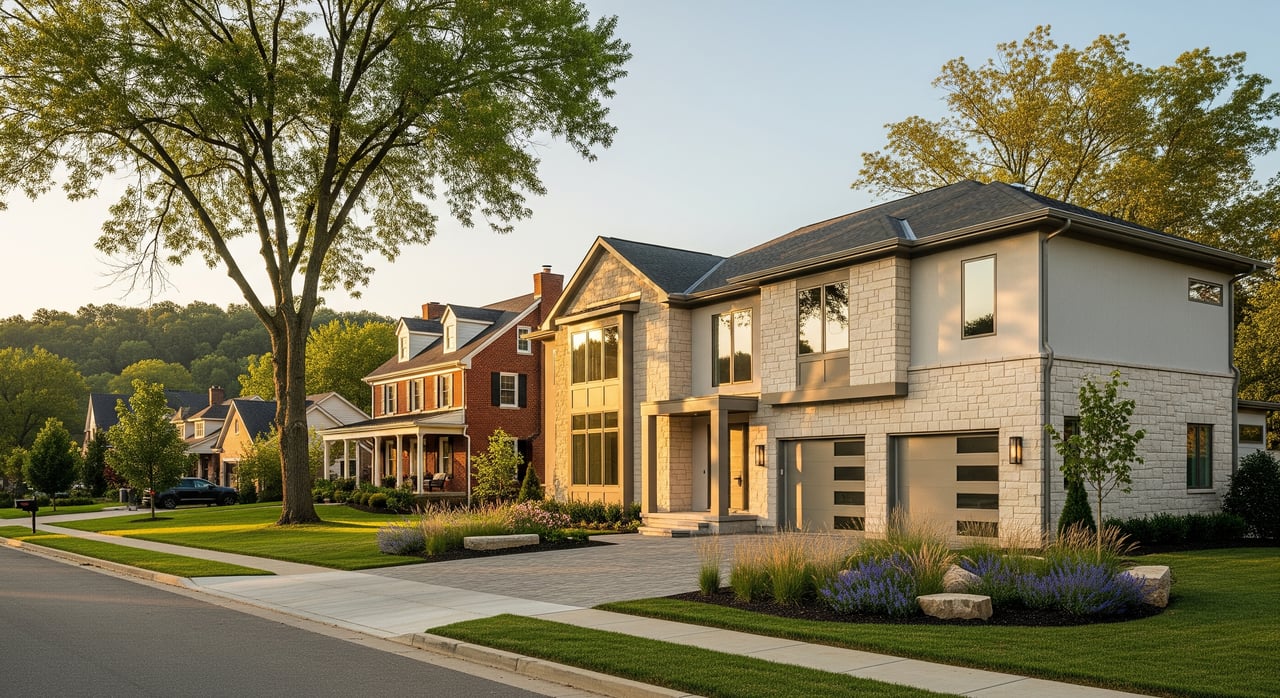
Torn between building new or buying a resale in Union? You’re not alone. As a move-up buyer, you care about timing, costs, lifestyle, and long-term value, and the right choice is not always obvious. In this guide, you’ll compare timelines, pricing, warranties, inspections, HOAs, financing, and resale value so you can move forward with confidence. Let’s dive in.
Union market basics for move-up families
Union sits in Boone County, part of the Northern Kentucky side of the Cincinnati metro. Many buyers here balance commute times, neighborhood amenities, and access to daily needs with the practicality of build timelines and budgets. Local permitting flows through Boone County and the City of Union, and seasonal demand can affect approval and inspection turnaround.
Spec inventory can be limited in stronger seller markets. Always confirm current availability and pricing through local MLS data and builder community updates before you set your plan.
Move-in timing: how fast do you need keys?
Resale and spec homes
If you need a home soon, resale homes or spec homes often offer the quickest path. Many production builders deliver move-in ready homes in under 6 months if construction is already underway. Inventory can tighten during busy seasons, so start early if timing is critical.
Built-to-order and custom
When you choose a floor plan and options with a production builder, expect about 6 to 9 months from contract to close, subject to permits, weather, and materials. Semi-custom or full custom builds often run 9 to 18 months or longer. Spring and summer are busy, and municipal workloads can add weeks.
What you really pay for
New construction pricing
New-build pricing has several layers:
- Base price for the floor plan.
- Lot premium for location features like walkout basements, cul-de-sacs, or pond views. In the Northern Kentucky/Cincinnati suburbs, lot premiums commonly range from a few thousand dollars to tens of thousands depending on desirability.
- Design and structural upgrades. Kitchens, baths, and finished basements are big drivers. It’s common to add 5 to 20 percent or more to the base price.
- Site work, landscaping, and potential utility tap or impact fees, depending on the subdivision.
Resale pricing
A resale home’s list price reflects the land, improvements, and neighborhood comps. You won’t see a line item for lot premium, but established homes may include mature landscaping, window treatments, and finished lower levels that would cost extra in a new build. When you tally lot premiums and upgrades, many resales are price-competitive.
Warranties and post-closing service
Most builders use a 1-2-10 style warranty program:
- 1 year for workmanship and materials.
- 2 years for systems like HVAC, plumbing, and electrical.
- 10 years for major structural coverage.
Ask for the written warranty, claim process, response times, and any exclusions. Find out if the warranty is transferable. For resale homes, a separate home-warranty plan is often available for one year to cover key systems and appliances.
Inspections: protect your investment
New construction
Your home will receive municipal inspections during construction, but those do not replace independent inspections. Many buyers schedule a pre-drywall inspection to review framing, plumbing, and electrical, plus a detailed final inspection and a punch-list verification. Independent inspections typically range from about 300 to 800 dollars depending on scope. Check your builder contract for inspection timing and access rules.
Resale homes
Order a general home inspection and consider specialists for roof, HVAC, chimney, radon, or crawlspace as needed. General inspections often run about 300 to 600 dollars for a single-family home. Inspection results drive repairs, credits, or price adjustments through your contingency timeline.
HOA, amenities, and maintenance
New Union communities often have mandatory HOAs, sometimes with a master association. Pools, clubhouses, trails, and landscaping are attractive, but higher amenities can mean higher dues and possible fee increases after the developer turns control over to homeowners. Review budgets, reserves, and recorded covenants.
Resale homes may be in neighborhoods with long HOA histories or in areas with no HOA. For older HOAs, review financials, recent assessments, and meeting minutes. Confirm what dues cover and any rules on parking, exterior changes, or fencing.
Financing and appraisals
New construction
You can use a standard mortgage for a completed spec home or a construction-to-permanent loan for a build. Appraisals are based on the finished home and recent comparable sales. If you select many high-end upgrades or a premium lot, comparable data may lag, which can create an appraisal gap. Builders sometimes offer incentives like closing cost credits or rate buydowns, often tied to preferred lenders.
Resale
Conventional, FHA, and VA loans are common for resales, with appraisals relying on nearby closed sales. Sellers may negotiate credits for repairs or closing costs depending on market conditions.
Future resale and long-term value
Future buyers will focus on lot, location, floor plan usability, build quality, and how the neighborhood has matured. New finishes are appealing, while established communities offer mature trees and a consistent streetscape. New builds can see stepped assessment increases as the county finalizes value; verify procedures and timing with Boone County’s property valuation office.
Quick tradeoffs at a glance
- If speed to occupancy and low maintenance matter most, consider resale or a spec home.
- If personalization, energy efficiency, and warranties are top priorities, consider a new build.
- If you want amenities like pools and trails, new communities often offer more.
- If you value lot character and established neighborhood feel, resale often wins.
Smart questions to ask
If you’re building new
- What is the build timeline, and how are weather or permit delays handled and communicated?
- What exactly is included in the base price? Request a line-item list for flooring, appliances, lighting, and HVAC efficiency.
- What are current lot premiums by lot type, and how are they determined? Any upcoming lot releases?
- Are independent pre-drywall and final inspections allowed? Who schedules them?
- Can I review the full warranty packet, claim process, and response times? Is it transferable?
- Can I see the HOA governing documents, budget, and reserve study? Who operates amenities now and after turnover?
- What incentives are available, and are any tied to the builder’s preferred lender?
- How are upgrades, change orders, and punch-list items documented and completed?
If you’re buying resale
- How long has the home been on the market, and have there been price changes?
- What recent repairs or known issues exist for roof, HVAC, foundation, or drainage?
- Can you share recent utility bills, a survey, and HOA documents if applicable?
- When were major systems replaced? Are warranties transferable?
- Are there nearby developments, road projects, or zoning changes that could affect the property?
Inspection and negotiation checklist
New construction
- Schedule an independent pre-drywall inspection and a thorough final walk-through.
- Create a detailed punch list and confirm completion dates.
- Review the warranty timeline and how to file claims.
Resale
- Order a general inspection and add specialists as needed.
- Use inspection findings to request repairs, credits, or price adjustments.
- Track deadlines for contingencies so you protect your earnest money.
Budget and timeline worksheet
- Base home price.
- Lot premium.
- Design and structural upgrades (estimate 5 to 20 percent or more of base).
- Landscaping and fencing allowance.
- Temporary housing or rent-back if your closings don’t align.
- Inspection costs, including any specialty inspections.
- Possible appraisal gap reserve.
- HOA initiation fees and monthly dues.
Printable buyer checklist
- Priority check (circle): Timeline / Personalization / Lowest maintenance / Amenities / Lot character / Schools / Resale value
- If considering new construction:
- Verify build timeline, permit status, and model availability.
- Request a detailed list of included items and itemized upgrade pricing.
- Obtain and read full warranty documents; ask about claim examples and response times.
- Confirm independent pre-drywall and final inspections are permitted.
- Ask for HOA disclosures, budget, and reserve study.
- Get lender preapproval that supports construction or rate buydowns.
- Budget for lot premium, design-center upgrades, and landscaping.
- If considering resale:
- Order a general home inspection plus specialists as needed.
- Review recent comparable sales in the immediate neighborhood.
- Review recent utility costs and maintenance records.
- Review HOA documents, including assessments and minutes, if applicable.
- Verify school boundaries with the district and check for planned developments nearby.
- Universal items:
- Verify property taxes with the Boone County PVA/Assessor and confirm tax prorations.
- Ask about flood plain status and any required flood insurance.
- Confirm commute times during peak hours and visit the neighborhood at different times of day.
How K2 Home Team helps in Union
You deserve guidance tailored to Union and Boone County, not generic advice. As a boutique, two-agent team backed by ERA Real Solutions Realty, we combine neighborhood-first service with the systems and marketing power of a regional brokerage. We help you compare new construction and resale options, structure timelines around your current home sale, and negotiate inspections, warranties, incentives, and HOA details with confidence.
If you’re weighing a new build against a resale in Union, let’s map your plan, tour the right communities, and track real-time pricing and inventory. Schedule your free consultation with the K2 Home Team.
FAQs
How long does new construction usually take in Union, KY?
- Production builds commonly take about 6 to 9 months from contract to close, while semi-custom or custom homes can take 9 to 18 months or longer depending on permits, weather, and selections.
What is a lot premium and how much is it?
- A lot premium is an added cost for a more desirable homesite, and in Northern Kentucky suburbs it can range from a few thousand dollars to tens of thousands based on features like walkouts or views.
Do I still need inspections on a brand-new home?
- Yes; municipal inspections do not replace independent inspections, and many buyers schedule a pre-drywall review, a final inspection, and a punch-list walkthrough before closing.
Are HOAs common in Union’s newer neighborhoods?
- Many new communities in Union have mandatory HOAs, often with amenities like pools or trails; review dues, reserves, and rules, and confirm who manages amenities after developer turnover.
What financing should I consider for a new build vs resale?
- For new builds, you may use a standard mortgage on completion or a construction-to-permanent loan; resales typically use conventional, FHA, or VA financing with appraisals based on recent sales.
How do taxes work for new construction in Boone County?
- New builds can experience stepped assessment increases as value is established; verify current procedures and timing with the Boone County PVA/Assessor before you finalize your budget.