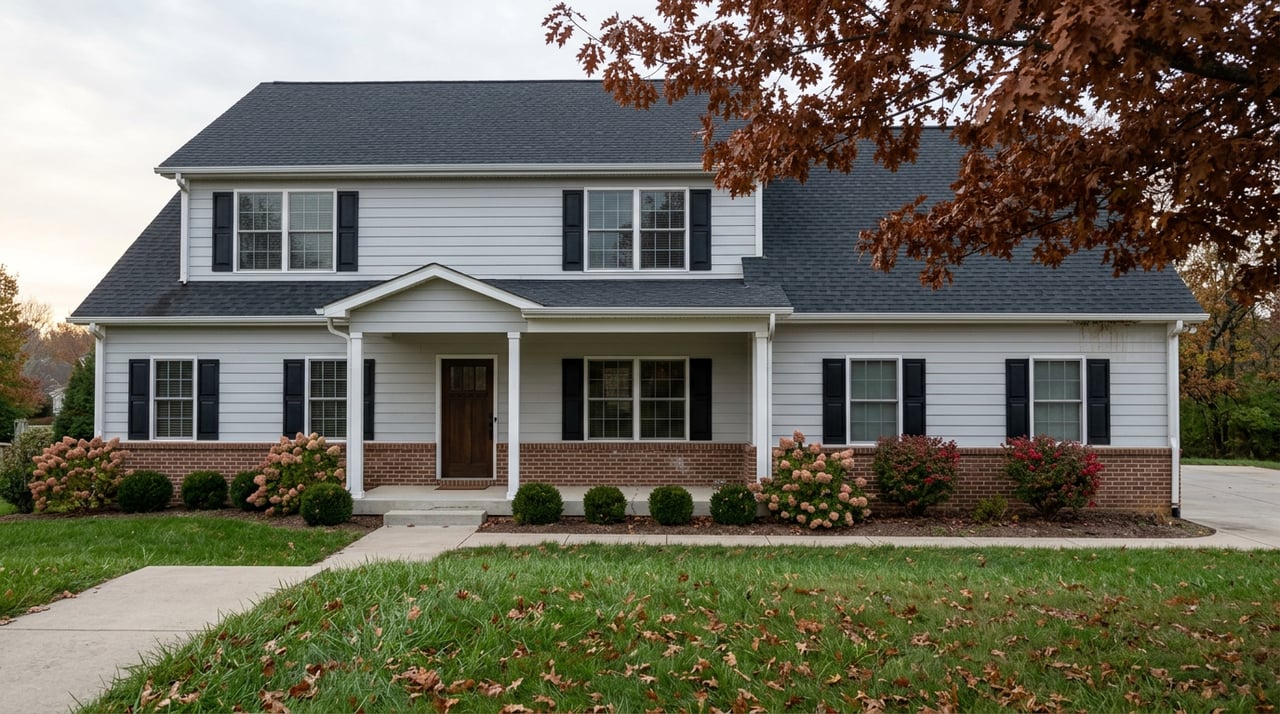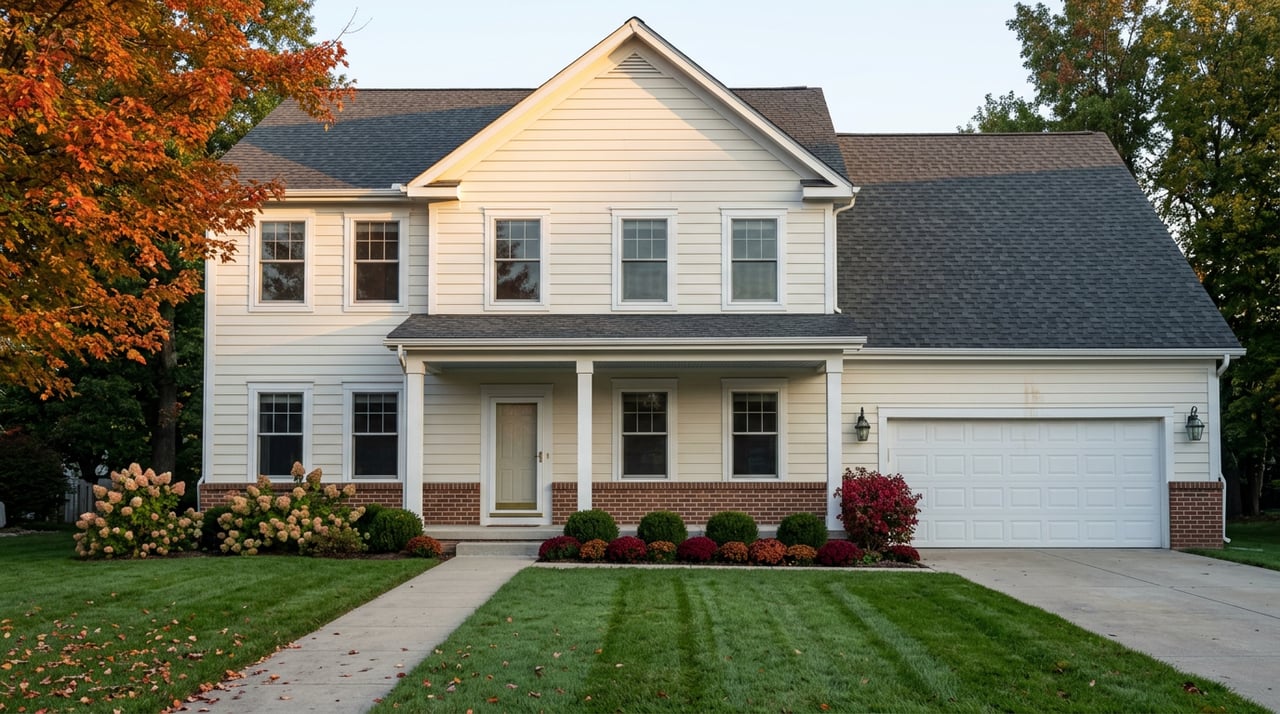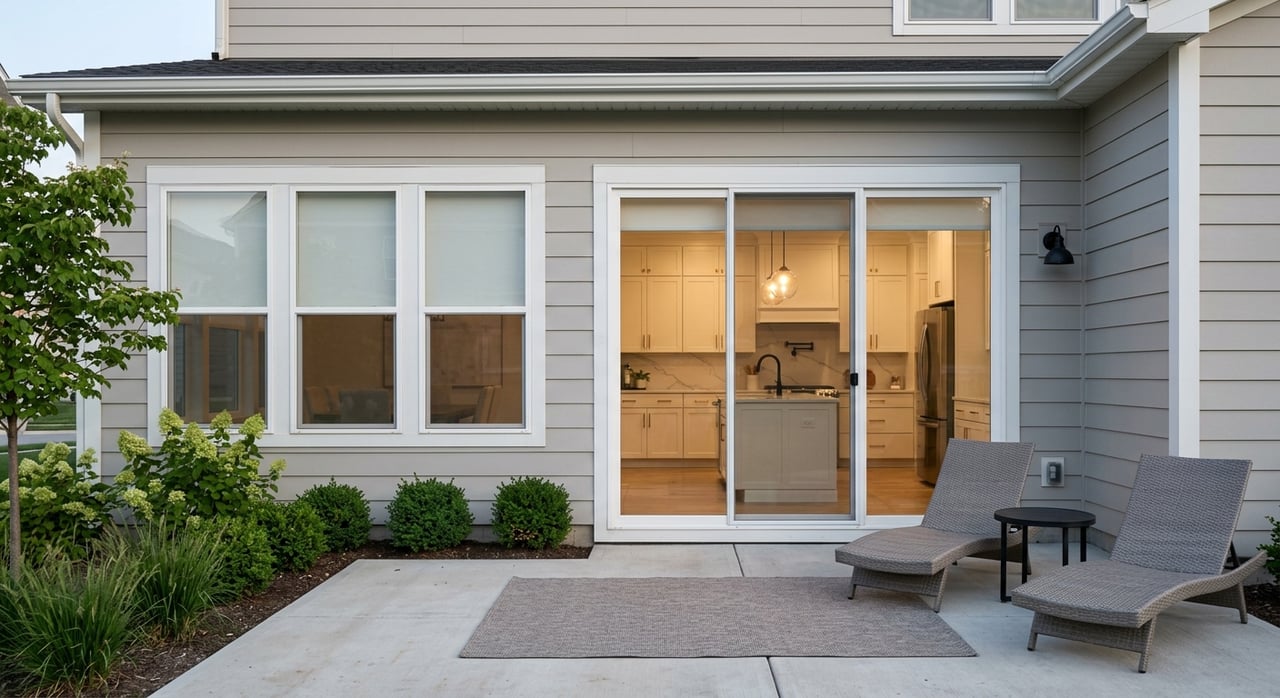
If you are trying to buy and sell a home at the same time in Boone County, you already know the hardest part is not just finding the right house or attracting the right buyer. It is lining up the timing without creating extra stress, extra costs, or two housing payments at once. The good news is that with the right plan, you can make smart decisions based on your equity, financing, and flexibility instead of guessing. Let’s dive in.
Boone County timing starts with the market
Boone County remains a growing, owner-heavy market, which supports steady resale activity. Census estimates put the county at 145,316 residents in 2025, up 6.9% from April 2020, and 76.3% of housing units are owner-occupied.
Spring 2026 data also points to seller-leaning conditions. Zillow reported a typical Boone County home value of $342,671 and said homes were going pending in about 15 days. Redfin reported a March 2026 median sale price of $352,500 with a 29-day median time on market, while Realtor.com described Boone County as a seller’s market with 28 days on market and a 99% sale-to-list ratio.
That matters because in a seller-leaning market, timing is often driven less by the season on the calendar and more by how prepared you are. If your home is likely to attract interest quickly, your next step is deciding whether it makes more sense to sell first or buy first.
Price points change your strategy
Boone County is not one uniform market. Zillow’s spring 2026 city value estimates ranged from about $222,955 in Elsmere to $449,093 in Union, with Burlington, Florence, Walton, and Hebron falling in between.
If you are moving from a lower-priced area to a higher-priced one, the jump in purchase price can affect your down payment, monthly payment, and comfort level with overlapping costs. If you are moving to a lower-priced area, you may have more flexibility, especially if you have built strong equity.
This is why a local timing plan matters. The right move for someone selling in Florence and buying in Union may look very different from the right move for someone downsizing from Union to Burlington.
Should you sell first or buy first?
For many homeowners, selling first is the safer path. Consumer guidance from the CFPB says people who want to move will normally try to sell their current home before buying another one.
That approach can reduce the risk of carrying two mortgages at the same time. It also helps you know exactly how much equity you have available for your next down payment, closing costs, and moving budget.
Selling first often makes the most sense if you:
- Need your sale proceeds for the next purchase
- Have limited cash reserves
- Want to avoid overlapping monthly housing payments
- Prefer a more predictable budget before making your next offer
The main downside is simple. Your current home may close before your next home is ready, which can create a temporary housing gap.
When buying first may work
Buying first can work if your finances are strong enough to support a short overlap. This is usually more realistic if you have substantial equity, a healthy cash reserve, or financing options that fit your situation.
Fannie Mae notes that bridge or swing loans can be acceptable sources of funds when the lender documents that the borrower can carry the payments on the new home, the current home, the bridge loan, and other obligations. In plain terms, buying first may be possible, but only if you can truly afford the overlap.
Buying first may fit if you:
- Have significant equity in your current home
- Have cash available beyond your emergency savings
- Need more control over your move-in timeline
- Want to avoid temporary housing between closings
This route can reduce the pressure of finding a replacement home quickly, but it also raises the financial stakes. Before you go this direction, talk with your lender early about what monthly costs you could realistically carry.
Use contract tools to manage the gap
A good timing plan is not just about choosing sell first or buy first. It is also about using the right contract terms to protect yourself while you move from one home to the next.
Home sale contingency
A home sale contingency can help if you need your current home to sell before your purchase can safely move forward. Freddie Mac explains that this gives you a set timeframe to sell your current home, and if it does not sell, the contract can be voided and earnest money returned.
The catch is that sellers often see this as added risk. In a seller-leaning Boone County market, that can make your offer less competitive, especially if the home you want has strong interest.
Financing contingency
A financing contingency protects you if your loan does not come together on time. According to the CFPB, this clause affects whether your deposit is refunded if the sale is canceled because you cannot get financing.
This matters even more when you are coordinating two transactions. If your current home has already sold, you want clear protection in place on the purchase side in case financing delays show up.
Appraisal contingency
An appraisal contingency can protect you from overpaying. Freddie Mac says this type of contingency may allow you to renegotiate or walk away if the appraisal comes in low.
That can be especially important when you are moving quickly and trying to keep both transactions on track. A low appraisal can affect your financing plan and your cash needs at the last minute.
Inspection contingency
An inspection contingency gives you room to respond if the home has condition issues. The CFPB says it may allow you to cancel without penalty if you are not satisfied with the inspection results.
When your timing feels tight, it can be tempting to rush past due diligence. That is usually where expensive mistakes happen. A repair issue on the next home can quickly change your move budget or timeline.
Rent-back can solve occupancy timing
Sometimes the biggest problem is not the sale or the purchase. It is where you will sleep between the two.
A rent-back or post-closing occupancy arrangement can help if you sell your current home before your next one is ready. Fannie Mae says a rent-back credit is paid to the borrower by the seller for allowing the seller to stay in the home after closing.
That can buy you time, but it is important to understand what it does not do. It helps with occupancy timing, not with your down payment, closing costs, or reserve funds for the next purchase.
Temporary housing in Boone County takes planning
If you think you may need a short-term place to stay, plan earlier than you think. Boone County remains fairly fast-moving, and spring 2026 listing counts varied by source, with Zillow showing 328 homes for sale and an average rent estimate of $1,775, while Realtor.com showed 934 homes for sale and 87 rental properties in April 2026.
Even though the exact counts differ, both sources suggest you should not assume temporary housing will be easy to find at the last minute. If you plan to sell first, it helps to think through backup options before your home hits the market.
Your short-term housing budget may need to include:
- Rent or hotel costs
- Moving and storage expenses
- Utility setup costs
- Security deposits
- A cushion for a longer-than-expected gap
The CFPB also notes that temporary housing can include hotel or motel bills, moving expenses, security deposits, and arrangements with family or friends in some cases. The key is to build this into your plan before you are under deadline pressure.
Budget for more than the mortgage
One of the biggest timing mistakes is focusing only on the next monthly payment. Your real move budget is usually much bigger than that.
The CFPB says ongoing homeownership costs include property taxes, insurance, HOA dues where applicable, maintenance, repairs, and utilities. It also estimates that closing costs typically run about 2% to 5% of the purchase price before the down payment.
If you are buying and selling in Boone County, your budget should account for:
- Sale prep costs for your current home
- Moving expenses
- Temporary or overlapping housing costs
- Closing costs on the purchase
- Ongoing ownership costs after move-in
Kentucky property taxes also include both state and local components. The Kentucky Department of Revenue says the 2025 state real property tax rate was 10.6 cents per $100 of assessed value, while county and school district rates are set separately by local taxing districts.
That means your future tax bill can vary depending on the specific Boone County property you buy. Before you commit to a move plan, verify the current local rates for the property you are considering.
Talk to your lender early
Mortgage conditions can shift while you are planning. Freddie Mac reported a 30-year fixed average of 6.30% as of April 30, 2026, and the CFPB advises buyers to shop around because rates can change between the first lender conversation and the formal application.
That is why timing should start with a lender conversation, not just home browsing. If you may need bridge financing, a home sale contingency, or extra cash reserves for overlap, those details should be discussed before you write an offer or list your current home.
A lender can help you understand:
- How much home you can comfortably afford
- Whether you can carry overlapping payments
- How much cash you should keep available
- Whether bridge financing is even realistic for your situation
A practical Boone County approach
In Boone County’s seller-leaning market, the best timing plan is usually not about finding the perfect week to act. It is about knowing your numbers, choosing the right sequence, and building in protection for the gap between transactions.
If you need your equity and want a lower-risk move, selling first is often the cleanest option. If you have strong reserves and want more control over your next purchase, buying first may work, but only with careful lender review and a realistic overlap budget.
The most important step is deciding your strategy early. Once you know whether you are selling first or buying first, you can use contingencies, rent-back terms, temporary housing, or financing tools to support that plan instead of hoping both closings line up perfectly.
If you want help building a timing strategy for your Boone County move, connect with K2 Home Team for a free consultation.
FAQs
Should I sell first or buy first in Boone County if I have a lot of equity?
- If you have strong equity and enough cash reserves to handle a short overlap, buying first may be possible. If you want less financial risk and more certainty about your available funds, selling first is often the safer path.
Is a home sale contingency realistic in Boone County’s seller-leaning market?
- It can work, but it may make your offer less appealing because sellers often view it as added risk. In a competitive Boone County market, this type of contingency usually works best when the rest of your offer is strong.
How much cash should I keep available when buying and selling a Boone County home?
- You should plan for more than the down payment. Your budget may need to cover moving costs, temporary housing, closing costs that the CFPB estimates at 2% to 5% of the purchase price, and a cushion for overlap or repairs.
Can a rent-back help if my Boone County home sells before my next one is ready?
- Yes. A rent-back can help solve occupancy timing by letting you stay in the home after closing for a period of time. It does not replace the cash you need for your next home purchase.
What happens if the appraisal comes in low on the home I want to buy in Boone County?
- An appraisal contingency may allow you to renegotiate the price or walk away from the contract. This protection can be especially important when you are trying to keep both a sale and a purchase on schedule.
When should I talk to a lender about bridge financing for a Boone County move?
- Talk to a lender as early as possible, ideally before you list your current home or write an offer on the next one. Early planning helps you understand whether you can realistically carry your current home, your next home, and any temporary financing at the same time.