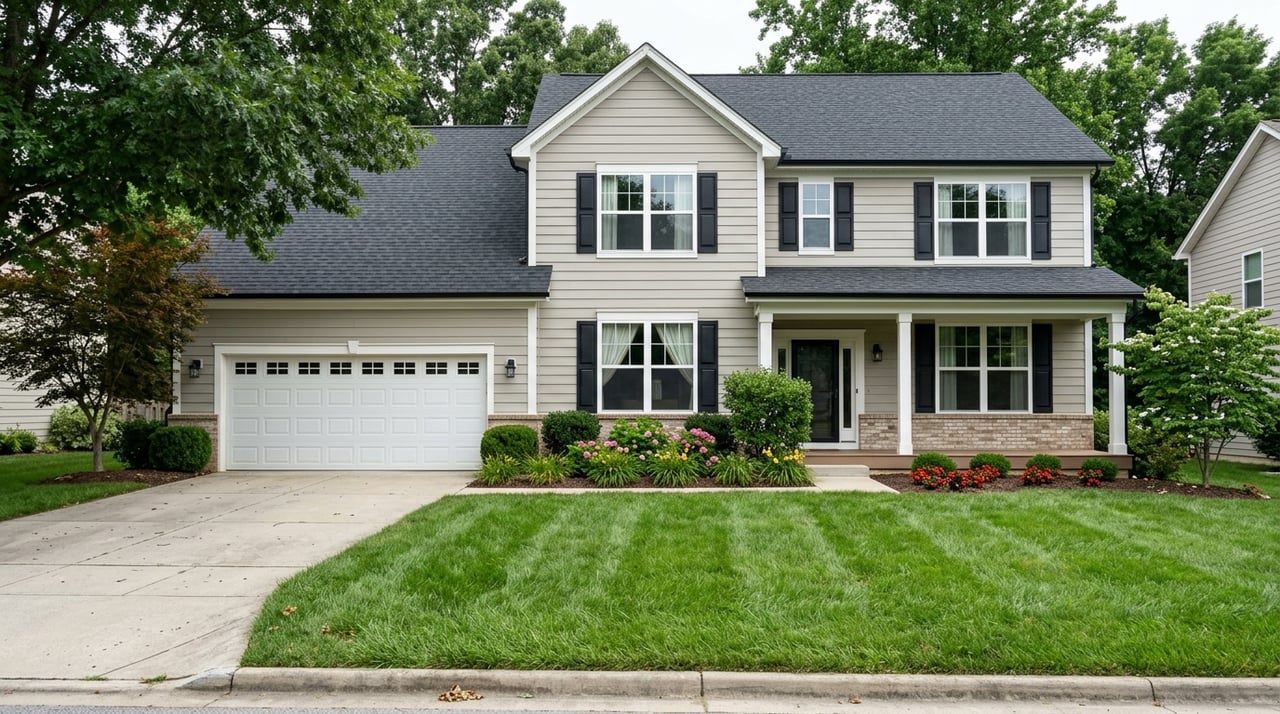
If you are trying to decide between an established neighborhood and a newer community in Union, KY, you are not alone. It is one of the biggest choices buyers face here, especially in a city that keeps growing and adding new housing options. The good news is that each side offers real advantages, and once you know what to compare, the decision gets much easier. Let’s dive in.
Why this choice matters in Union
Union is a growing suburban market, and that growth shapes how neighborhoods feel from one area to the next. As of July 1, 2025, Union’s estimated population is 7,937, up from 7,416 in the 2020 census. The city also has an owner-occupied housing rate of 82.5%, a median owner-occupied home value of $411,500, and a median household income of $136,712.
Boone County’s 2040 plan points to continued residential growth in Union. It also notes that the U.S. 42 corridor is expected to see more neighborhood-scale commercial growth rather than large strip-style retail. For you as a buyer, that means the gap between established and newer neighborhoods is not just about home age. It is also about layout, amenities, maintenance, and how you want to live day to day.
What counts as an established neighborhood
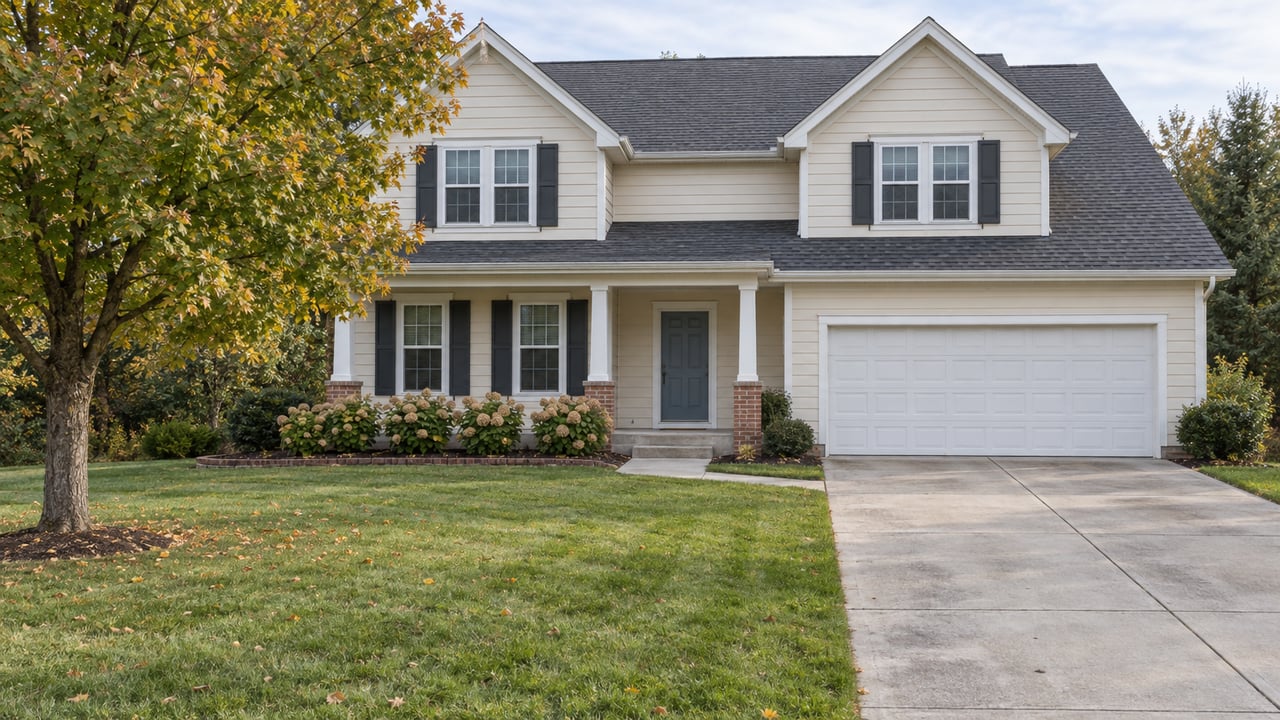
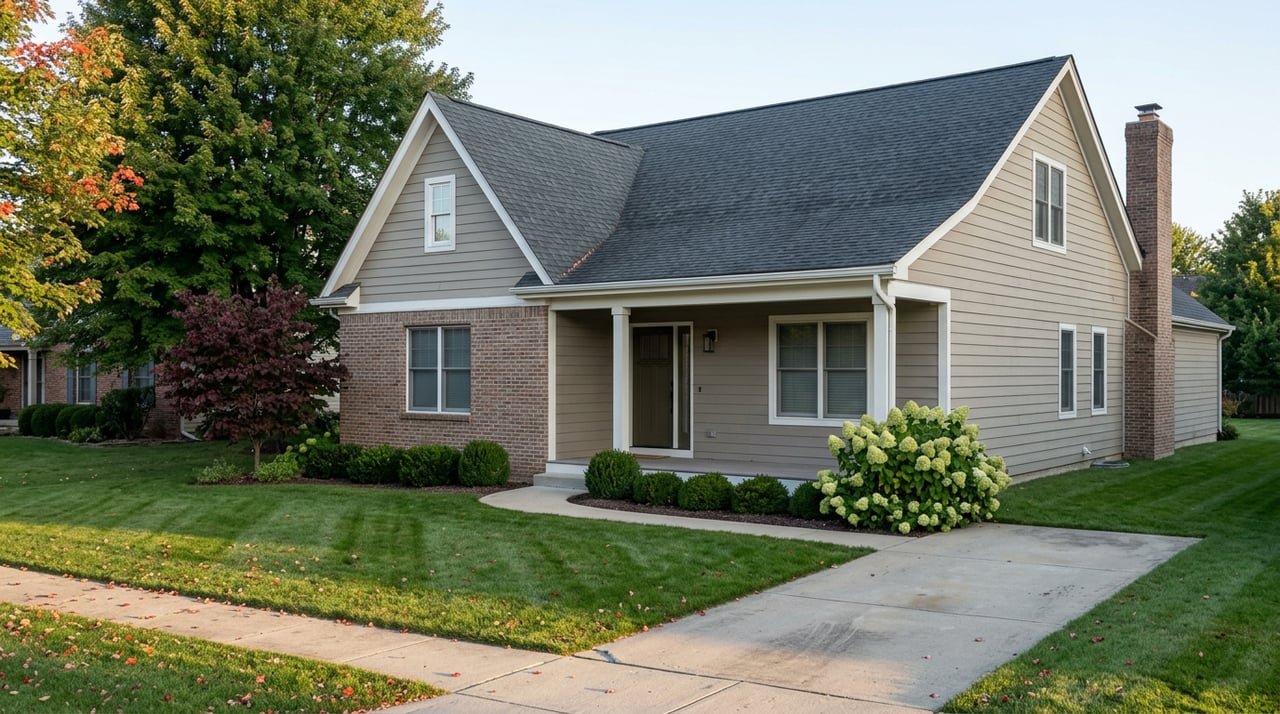
In Union, “established” does not always mean old. It usually means a neighborhood is already built out or mostly settled, with streetscapes, landscaping, and everyday routines already in place. These communities often feel more predictable because you can see how the area functions right now, not just what is planned.
The city highlights neighborhoods such as Hempsteade, Hampshire, Harmony, Lassing Green, Lancashire, Union Village, and Villas at Fowler’s Creek as part of Union’s residential mix. Based on the city’s descriptions, these neighborhoods often read as more established because they already have mature landscaping, parks, trails, or nearby daily services.
Common features in established areas
Established neighborhoods in Union often appeal to buyers who want a more traditional suburban setup. That may include single-family homes, established streets, and more of a private-yard feel. Public materials also suggest these communities may have mature trees and a quieter street pattern compared with newer mixed-use areas.
A few examples help show the difference:
- Union Village is a 148-home single-family community near the Scheben Branch Library, doctors, dentists, banks, Kroger, and other shopping essentials.
- Hempsteade includes sidewalks, community parks, two pools, a lake with a fountain, seating areas, and a waterfront gazebo.
- Lassing Green is described as convenient to shopping and I-75, with Ryle High School and Gray Middle School within walking distance.
- Villas at Fowler’s Creek, which broke ground in 2006, is a ranch-condominium community with a clubhouse, game room, fitness center, and heated pool.
What feels newer in Union
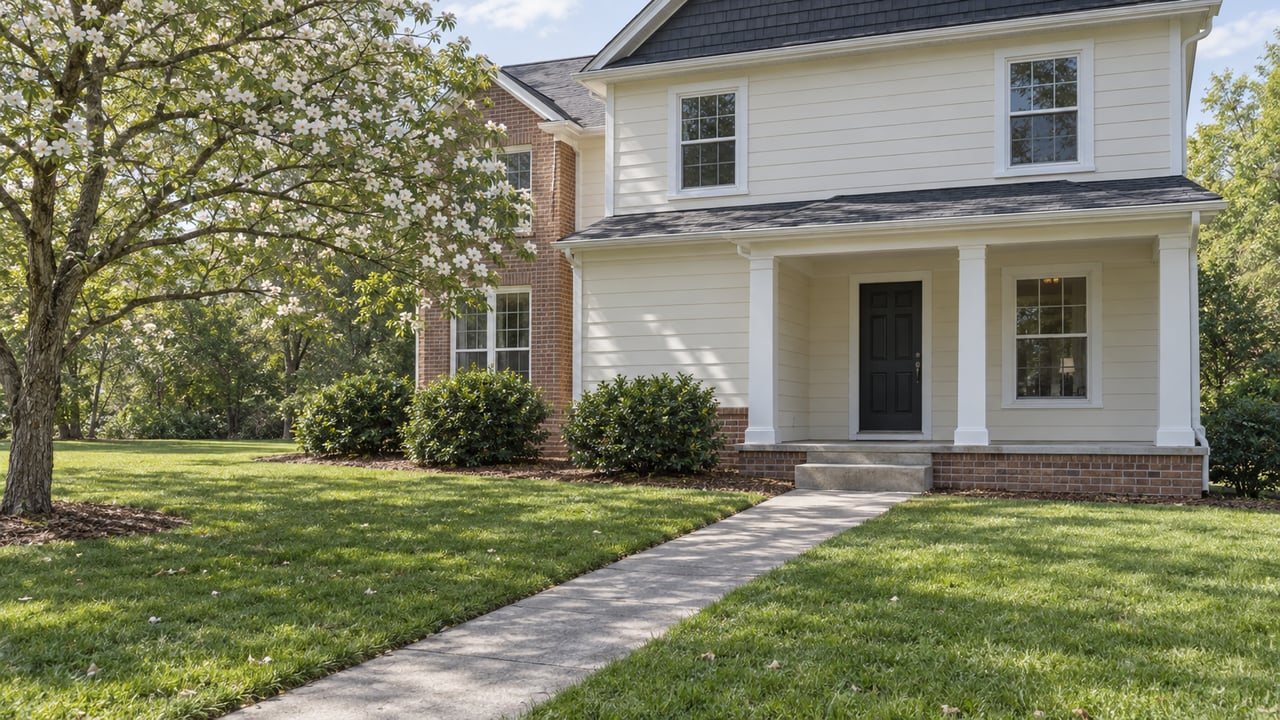
Union’s newer growth is concentrated along the U.S. 42, Mt. Zion, and Brilliance corridor. This part of the city is where you will find many of the newer planned developments, mixed-use projects, and lower-maintenance housing options. If you want a more walkable setup or newer amenities, this area will likely be on your list.
Newer neighborhoods in Union often come with a different style of planning. Instead of focusing mostly on private backyards, many of these communities place more emphasis on shared green space, connected infrastructure, and easy access to dining, retail, and services.
Newer projects shaping the corridor
Several current developments show what newer Union living looks like:
- Union Town Square is a 22-acre project with more than 16 acres of public green space, including a splash pad, pond, playground, swing area, formal gardens, and walking paths. Completion is expected in early 2027.
- Union Commons sits near the Kroger Marketplace and Scheben Branch Library and adds restaurant and lifestyle uses to the corridor.
- Union Promenade is a 62-acre mixed-use project with 298 apartment units, 44 patio homes, pedestrian infrastructure, and a range of retail and medical uses.
- Traemore is an 87-acre Drees community with more than 170 homes planned, with floor plans ranging from about 1,863 to 3,461 square feet.
- Villas at Union Pointe offers low-maintenance new construction with paired patio homes and patio or townhome options, with lawn care and snow removal included.
- Retreat at Union Promenade is a newer ranch-townhome neighborhood with attached two-car garages, open layouts, and walkable access to the Union Promenade entertainment district.
Established vs newer: what changes for you
The best choice usually comes down to your daily priorities. In Union, you are often not choosing a “better” neighborhood category. You are choosing which tradeoffs fit your lifestyle, budget, and maintenance preferences.
Home style and yard space
Public information does not consistently list exact private lot sizes across Union neighborhoods, so the clearest comparison is usually by product type and density. Established neighborhoods more often feel like conventional single-family suburbs, while newer developments lean more toward patio homes, townhomes, mixed-use housing, and larger planned communities.
In practical terms, newer projects may offer smaller private yards and more common open space. Established neighborhoods may offer a stronger private-yard feel and more mature streetscapes. That said, this is a general pattern from public descriptions, not a rule for every street or subdivision.
Maintenance and convenience
If you want lower exterior upkeep, newer communities may stand out. Some low-maintenance options in Union include features like lawn care and snow removal, which can be attractive if you want a simpler routine or travel often.
Established neighborhoods can still offer strong amenities, but they often come with a more conventional ownership experience. That may mean more responsibility for your own yard and exterior care, depending on the neighborhood and property type.
Walkability and daily access
Established neighborhoods in Union tend to cluster around practical day-to-day convenience. For example, Union Village is close to the Scheben Branch Library and essential services, while Lassing Green is described as walkable to Ryle High School and Gray Middle School. Scheben Branch Library is at 8899 U.S. 42, Ryle High School is at 10379 U.S. Hwy 42, and Gray Middle School is at 10400 Hwy 42.
Newer developments often emphasize walkability in a different way. Union Promenade is designed as a walkable district with dining, retail, fitness, and medical uses. Union Town Square is planned as a park-forward civic space, and Union Commons adds restaurants and lifestyle uses near Kroger Marketplace and the library.
HOA rules can matter in both
A common mistake is assuming that stricter HOA rules only show up in newer communities. In Union, HOA expectations can be important in both established and newer neighborhoods. Before you make an offer, it is worth reviewing the covenants, restrictions, and fee structure carefully.
Union Village’s HOA FAQ says dues are currently $110 annually. Its covenants address items such as sheds, recreational vehicles, garbage cans, fences, and violations that can lead to enforcement action.
Westbrook Estates’ declaration is even more specific about association structure. It includes annual and special assessments, architectural control, and fence approval requirements. It also says fences need prior board approval and that chain-link fences are prohibited.
Questions to ask before you buy
Whether you are looking at an older subdivision or a brand-new patio home, ask for clarity on:
- HOA dues and what they cover
- Fence and shed rules
- Parking or recreational vehicle restrictions
- Exterior change approval requirements
- Lawn care and snow removal responsibilities
- Special assessments or architectural review procedures
These details can shape your ownership experience just as much as square footage or finishes.
Which type of Union neighborhood fits you best?
If you picture a traditional single-family neighborhood with mature landscaping, established streets, and a stronger sense of privacy, an established area may feel more comfortable. You may also prefer being a little farther from the newest retail activity while still staying close to schools, library services, and everyday errands.
If you want a more amenity-rich, lower-maintenance lifestyle, a newer community may be the better match. You may like the idea of walkable dining and services, shared green space, and housing options like patio homes or townhomes that simplify upkeep.
A few buyer profiles often line up this way:
You may prefer established neighborhoods if you want:
- A conventional single-family setup
- Mature trees and established landscaping
- A stronger private-yard feel
- A quieter street pattern
- A built-out neighborhood where you can see the full character today
You may prefer newer neighborhoods if you want:
- New construction or newer floor plans
- Low-maintenance living
- Patio homes, paired homes, or townhome options
- Walkable access to dining, retail, or public green space
- A community with more shared amenities and planned open space
How to compare neighborhoods the smart way
When you tour Union neighborhoods, try to compare them based on how you will actually live in them. It is easy to get distracted by fresh finishes or mature landscaping alone, but the better test is how each area supports your routine.
Focus on a few practical questions:
- Do you want a single-family lot, patio home, townhome, or mixed-use setting?
- How important is private yard space?
- Would you rather maintain your own exterior or have some services included?
- Do you want to be near the U.S. 42 retail corridor or a little farther from it?
- Are HOA rules light, moderate, or more structured?
- Do the amenities match how you actually spend your time?
In Union, there is no one-size-fits-all answer. The right neighborhood is the one that fits your pace, priorities, and long-term plans.
If you are weighing established versus newer neighborhoods in Union, KY, a local, street-level perspective can make the decision much clearer. K2 Home Team can help you compare home styles, HOA expectations, maintenance tradeoffs, and location advantages so you can move forward with confidence.
FAQs
What makes a neighborhood feel established in Union, KY?
- In Union, established neighborhoods are usually built-out or mostly settled communities with mature landscaping, existing amenities, and a more traditional suburban feel.
What makes a neighborhood feel newer in Union, KY?
- Newer Union neighborhoods are often tied to the U.S. 42, Mt. Zion, and Brilliance corridor, where you will find newer construction, mixed-use planning, shared green space, and more low-maintenance housing options.
Are newer neighborhoods in Union, KY more walkable?
- Many newer developments emphasize walkability to dining, retail, medical uses, and public green space, especially around Union Promenade, Union Town Square, and Union Commons.
Do established neighborhoods in Union, KY have HOAs?
- Yes. HOA rules and dues can matter in both established and newer neighborhoods, so it is important to review covenants, restrictions, and approval requirements before buying.
Are private yards usually larger in established Union neighborhoods?
- Public materials suggest established neighborhoods often have a stronger private-yard feel, while newer communities may place more emphasis on shared space and lower-maintenance housing types.
Which Union, KY neighborhoods are close to everyday services?
- City descriptions note that Union Village is near the Scheben Branch Library and shopping essentials, while newer corridor developments also place housing close to retail, dining, and services along U.S. 42.